

Fire Protection and Safety Codes Compliance
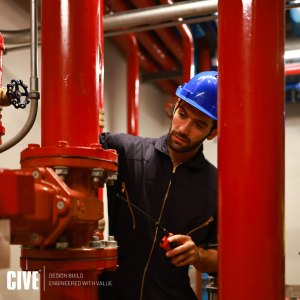 Fire protection and safety codes are essential components of commercial space design, ensuring the safety and well-being of occupants. Compliance with these codes involves a multi-faceted approach:
- Building Codes and Regulations: Designers must follow local, state, and federal building codes, which outline the minimum requirements for fire safety. These codes typically include provisions for fire-resistant materials, structural design, and the capacity of the building to withstand fire conditions.
- Fire Detection Systems: Commercial spaces are required to have comprehensive fire detection systems, including smoke detectors and fire alarms. These systems must be regularly tested and maintained to ensure they are in working order.
- Fire Suppression Systems: Sprinkler systems are a key element in fire suppression, designed to activate in the event of a fire, controlling or extinguishing the flames before they can spread.
- Emergency Exits and Signage: Clearly marked emergency exits and evacuation routes are crucial. Signage must be visible and legible, guiding occupants to safety in an emergency.
- Hazard Analyses: Regular hazard analyses can identify potential fire risks, allowing for the implementation of preventative measures. This might include the storage of flammable materials, electrical hazards, or operational processes that could increase fire risk.
- Design Reviews: Periodic reviews of the building design and its adherence to fire safety codes can reveal areas for improvement or the need for updates in response to new regulations or changes in building use.
- Training and Drills: Ensuring that occupants are aware of what to do in case of a fire is just as important as the physical fire safety measures. Regular fire drills and training can save lives by preparing individuals to act quickly and correctly.
- Documentation and Record Keeping: Maintaining detailed records of fire safety systems, inspections, and drills is important for demonstrating compliance and for reference in case of an incident.
By adhering to these guidelines, designers and building operators can create a safer environment, reducing the risk of fire-related incidents and ensuring a swift and organized response should a fire occur. Compliance with fire protection and safety codes is not just a legal obligation but a moral one, prioritizing the safety of every person who enters the commercial space.
Indoor Air Quality and Ventilation
The significance of Indoor Air Quality (IAQ) has been increasingly recognized as critical for the health and well-being of building occupants. The Environmental Protection Agency (EPA) emphasizes that poor indoor air quality can lead to a variety of health issues, ranging from immediate effects like irritation of the eyes, nose, and throat, to long-term consequences such as respiratory diseases, heart disease, and cancer.
In response to these concerns, the design-build industry is actively developing ventilation systems that not only reduce the levels of volatile organic compounds (VOCs) and other pollutants but also ensure a consistent supply of fresh air. The American Lung Association highlights the importance of fresh outdoor air to dilute indoor pollutants and reduce humidity, stating that proper ventilation is necessary to maintain safe indoor air.
Computational Fluid Dynamics (CFD) plays a pivotal role in this process by providing detailed simulations of air flow patterns within buildings. This allows for the optimization of ventilation system designs to effectively remove contaminants and distribute fresh air throughout indoor spaces. The National Center for Healthy Housing (NCHH) also supports the use of proper ventilation to control indoor humidity and airborne contaminants, which are significant factors in indoor air quality.
Overall, the integration of advanced ventilation systems and the application of CFD in their design are essential steps towards ensuring healthy indoor environments. As research continues to reveal the complexities of indoor air pollution, these technological advancements are crucial in safeguarding occupant health in both residential and commercial buildings.
Ergonomics and Occupational Health
Ergonomics is a critical aspect of occupational health, focusing on designing workspaces and tools to fit the user’s needs, thereby enhancing comfort, efficiency, and productivity. The goal is to minimize the risk of injury or harm, which can result from poor ergonomic practices. Work-related musculoskeletal disorders (WMSDs) are a significant concern, as they can lead to long-term disability and absenteeism.
To prevent WMSDs, ergonomic assessments are conducted to analyze the tasks employees perform, the frequency of these tasks, and the equipment they use. The findings from these assessments inform the design or modification of workstations to support proper posture, reduce excessive force requirements, and limit repetitive or awkward movements.
In addition to physical workspace design, ergonomics also encompasses organizational factors such as work-rest cycles, job rotation, and task variety to reduce the duration of repetitive activities and provide recovery time, which is essential for preventing fatigue and injury.
Implementing ergonomic solutions can have a profound impact on employee well-being and company outcomes. It can lead to reduced healthcare costs, lower turnover rates, and improved job satisfaction. Moreover, it demonstrates a company’s commitment to the health and safety of its workforce, which can enhance its reputation and aid in attracting and retaining talent.
Overall, the integration of ergonomic principles into the design of commercial spaces is not just a legal or regulatory requirement; it is a strategic investment in the most valuable asset of any business: its people.
Accessibility and Inclusivity
Accessibility and inclusivity in commercial space design are crucial aspects that contribute to the creation of environments that can be used and enjoyed by everyone, regardless of their abilities. The Americans with Disabilities Act (ADA) sets forth guidelines that help designers and architects create spaces that accommodate the needs of individuals with disabilities. These guidelines cover a wide range of elements, from the width of doorways and the design of restrooms to the accessibility of digital platforms and communication methods.
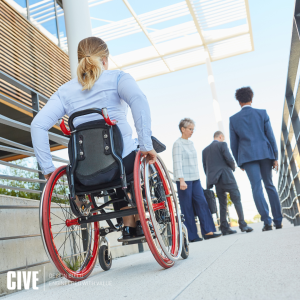 Incorporating accessibility into commercial space design not only complies with legal requirements but also reflects a commitment to social responsibility and ethical practice. It ensures that all individuals, including those with mobility challenges, visual or hearing impairments, or cognitive disabilities, have equal opportunities to engage with and experience a space.
Designing for inclusivity often involves:
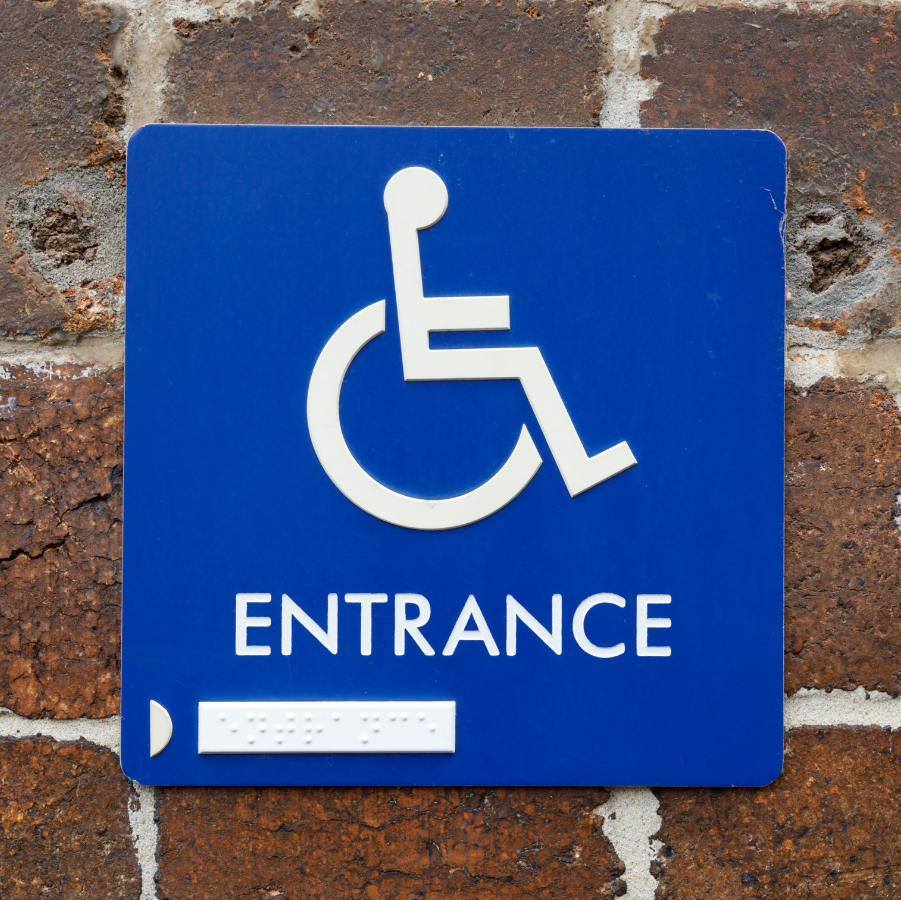
– Providing wheelchair-accessible entrances, exits, and pathways.
– Ensuring that there are tactile indicators for individuals with visual impairments.
– Implementing assistive listening systems for those with hearing difficulties.
– Creating clear signage with large, legible fonts and high contrast for easy readability.
– Offering digital resources that are compatible with screen readers and other assistive technologies.
By prioritizing accessibility and inclusivity, commercial spaces become more welcoming and usable for a diverse population, ultimately enhancing the user experience for everyone. This approach not only benefits individuals with disabilities but also serves the wider community, including older adults, parents with strollers, and those with temporary injuries. It’s a step towards building a more inclusive society where the environment does not hinder anyone’s ability to participate fully in public life.
Natural Hazards Mitigation
Natural hazards mitigation is a critical aspect of the design-build industry, focusing on enhancing resilience against natural disasters such as earthquakes, floods, and hurricanes. The approach involves a comprehensive strategy that includes not only structural reinforcements but also careful site selection to minimize exposure to risks.
According to the Whole Building Design Guide, effective hazard mitigation planning can manage the impacts of natural phenomena through a thorough understanding of risks and the implementation of prioritized mitigation measures. This is increasingly important as climate patterns change, potentially altering the behavior of hydrometeorological phenomena and increasing the frequency and severity of weather-related disasters.
The National Institute of Building Sciences reports that natural hazard mitigation is cost-effective, protecting lives, improving safety, preventing property loss, and decreasing disruption of daily life. Adopting and strengthening building codes, upgrading existing buildings, and improving utilities and transportation systems are among the strategies that can reduce the impacts of these hazards.
Mitigation efforts serve a dual purpose: they not only prevent or reduce disaster losses but also contribute to the broader goal of long-term community sustainability. For instance, land use regulations that prohibit development in flood-prone areas not only protect against floods but also help preserve the natural functions of floodplains.
In conclusion, natural hazards mitigation is integral to ensuring the continuity of businesses, schools, government facilities, utilities, and communities following hazard events. It is a proactive approach that requires collaboration among policymakers, building owners, and the building industry to deploy strategies that will reduce the impacts of natural disasters and support the resilience of communities.
Security and Emergency Preparedness
 Security and emergency preparedness in commercial spaces have become increasingly important in architectural design and building management. The integration of advanced security systems and surveillance technology is a critical aspect of modern commercial buildings, aiming to safeguard occupants against potential threats. These systems are often complemented by design features that facilitate safe and efficient evacuation during emergencies.
The focus on security extends beyond physical measures to include cybersecurity protocols to protect data and digital infrastructure. Emergency preparedness also encompasses plans and procedures for a wide range of scenarios, ensuring that building staff and occupants are trained to respond effectively.
The importance of these measures is underscored by the growing emphasis on leveraging commercial space capabilities for national security. Documents like the “2024 DoD Commercial Space Integration Strategy” highlight the need to ensure access to commercial solutions across the spectrum of conflict and establish security conditions to integrate commercial space solutions.
Furthermore, organizations such as the National Security Space Association advocate for the U.S. Government to leverage commercial space sector investments to enhance defense and intelligence space activities, emphasizing the need for rigorous, objective, data-driven decision support to inform force design and acquisition decisions.
In the context of building management, resources like BOMA International’s guidebook “Managing Through Pandemics: Preparing Your Buildings, Tenants, and Staff” provide comprehensive information on handling health crises and other emergencies in commercial spaces.
Overall, the trend towards integrating security and emergency preparedness into commercial space design reflects a broader recognition of the importance of resilience and safety in the built environment. This approach not only protects individuals but also supports the continuity of business operations and contributes to national security efforts.
Sustainable and Healthy Environments
Sustainable and healthy environments are increasingly becoming a priority in the construction industry. The focus on using sustainable materials and practices is driven by the need to create spaces that are safe for occupants and have a minimal environmental impact. Sustainable construction involves the use of renewable and recyclable materials, reducing energy consumption, and minimizing waste generation.
The use of sustainable materials, such as bamboo and recycled plastic, is gaining popularity due to their environmental benefits and cost-effectiveness. Bamboo, for instance, is a fast-growing renewable material that absorbs more CO2 than trees, potentially leading to cleaner air in surrounding environments. Recycled plastic, on the other hand, helps reduce landfill waste and does not require toxic preservative sealants like traditional lumber.
In addition to material selection, sustainable construction practices prioritize energy efficiency and the reduction of the industry’s carbon footprint. The construction sector is unique in its ability to significantly affect sustainability due to the large amounts of materials and energy it uses. As such, the industry is evolving to meet global sustainability goals, with some regions pledging to reach carbon neutrality by 2050.
The implementation of green technology and the efficient use of materials are crucial in promoting resource conservation. This includes reducing the embodied energy in building materials and cutting down on-site waste. Sustainable construction not only conserves valuable resources but also minimizes the extraction of raw materials and reduces the burden on landfills.
Overall, the shift towards sustainable and healthy environments in construction is a response to the global push to limit the impact of climate change. It represents a commitment to building more resilient infrastructure, durable low-carbon assets, and improving social interactions within communities. The industry’s move towards sustainability is not just about meeting mandates and pledges; it’s about building for a future where ecological health and occupant safety are at the forefront of design and construction practices.
In conclusion, the design-build industry’s approach to safety in commercial spaces is multifaceted, addressing fire safety, air quality, ergonomics, accessibility, disaster resilience, security, and sustainability. These considerations are integrated throughout all phases of a building’s life cycle, from planning and design to construction, operations, and maintenance. The goal is to create commercial spaces that are not only safe and compliant with regulations but also promote the well-being and productivity of their occupants. The industry’s commitment to safety is evident in the rigorous standards and innovative design practices being implemented across commercial projects.